March 2026

Understanding Pregnancy Body Changes: What’s Normal, What’s Not (and How Pelvic Floor Therapy Helps)

Pregnancy is one of the most incredible transformations the human body can experience. In just 40 weeks, your body adapts to grow, support, and deliver a baby — but many of those changes aren’t talked about enough.

Many women expect their belly to grow, but they’re often surprised by the pelvic pressure, back pain, bladder changes, and core weakness that can come with pregnancy.

At Revive Rehab, we see women every day who thought these symptoms were simply “part of pregnancy.” The truth is: while these changes are common, many of them are treatable and manageable with the right support.

Let’s break down what’s actually happening in your body during pregnancy.

The Core System Changes More Than You Think

When most people think about the core, they think about abs. But during pregnancy, the entire core system shifts to support a growing uterus.

Your core includes:

  • the abdominal muscles
  • the diaphragm (breathing muscle)
  • the pelvic floor
  • the deep stabilizing muscles of the spine

As your baby grows, your body naturally adjusts your posture, breathing patterns, and muscle coordination.

Common core changes during pregnancy include:

  • abdominal stretching (including diastasis recti)
  • increased pressure through the pelvic floor
  • changes in breathing mechanics
  • decreased deep core coordination

This is why many women notice things like:

  • a belly that feels heavy or “pulling”
  • difficulty activating their core
  • leaking urine with coughing or exercise
  • pelvic pressure late in pregnancy

These changes are not a sign your body is failing — they’re signs your body is adapting. But sometimes the system needs guidance to function well.

The Pelvic Floor Carries a Growing Load

Your pelvic floor is a group of muscles that supports the bladder, uterus, and bowel.

During pregnancy it is responsible for:

  • supporting increasing uterine weight
  • helping manage pressure in the abdomen
  • assisting with bladder and bowel control
  • preparing for labor and delivery

By the third trimester, the pelvic floor may be supporting 15+ extra pounds of weight, including baby, placenta, amniotic fluid, and increased blood volume.

Because of this, some women experience:

  • pelvic heaviness or pressure
  • leaking urine
  • difficulty fully relaxing the pelvic floor
  • tailbone pain
  • pain with movement or exercise

While these symptoms are common, they are not something you simply have to tolerate.

Pelvic floor physical therapy can help train the muscles to coordinate, support, and relax appropriately during pregnancy.

Hormones Change How Your Joints and Muscles Behave

Pregnancy hormones — particularly relaxin and progesterone — help prepare the body for birth by allowing ligaments and connective tissue to become more flexible.

While this flexibility is important for delivery, it can also lead to:

  • hip pain
  • pelvic girdle pain
  • pubic bone discomfort
  • low back pain
  • increased joint instability

Many women assume they should stop exercising or just “push through the pain,” but the right approach is actually targeted strength and stability training.

Strengthening the hips, glutes, and deep core can help restore balance and reduce strain on the pelvis and spine.

Pressure Management Matters During Pregnancy

One of the most overlooked aspects of pregnancy health is pressure management.

Every time you:

  • cough
  • lift something
  • exercise
  • push during a bowel movement

you create pressure inside your abdomen.

If the body isn’t coordinating well, that pressure can push downward toward the pelvic floor.

Over time, this may contribute to:

  • pelvic pressure
  • prolapse symptoms
  • leaking urine
  • increased abdominal separation

Learning how to breathe, activate the core, and move with pressure control can make a huge difference during pregnancy and postpartum recovery.

Pelvic Floor Physical Therapy During Pregnancy

Pelvic floor physical therapy during pregnancy focuses on helping your body adapt well to the changes happening.

At Revive Rehab, pregnancy sessions often include:

  • core coordination training
  • pelvic floor relaxation and strengthening when needed
  • posture and movement strategies
  • treatment for hip, back, or pelvic pain
  • preparation for labor and delivery

Our goal is to help women feel strong, supported, and confident in their bodies throughout pregnancy.

Many clients tell us they wish they had known pelvic floor therapy existed earlier in pregnancy.

When Should You See a Pelvic Floor Physical Therapist During Pregnancy?

You may benefit from pelvic floor therapy if you experience:

  • leaking urine
  • pelvic pressure or heaviness
  • hip or pubic bone pain
  • low back pain that isn’t improving
  • difficulty activating your core
  • painful movement or exercise

Even if you’re not experiencing symptoms, many women choose to come in for birth preparation and preventative care.

Supporting Women Through Pregnancy and Beyond

Pregnancy is a time of enormous change — physically, emotionally, and hormonally.

You deserve support, education, and care that helps your body move through those changes in the healthiest way possible.

At Revive Rehab, our team of pelvic floor physical therapists and moms understands firsthand how transformative pregnancy can be. Our mission is simple:

No pain. No leaks. No limits.

If you’re pregnant and have questions about your core, pelvic floor, or body changes, we’re here to help guide you through it.

Serving women in Bluffton, Beaufort, Hilton Head, and the surrounding Lowcountry communities.

February 2026

How Pelvic Floor Physical Therapy Successfully Treats Pelvic Organ Prolapse

If you’ve been diagnosed with pelvic organ prolapse—or suspect you might have it—you may have been told that surgery is inevitable or that you simply have to “live with it.” The good news? For many women, pelvic floor physical therapy (PFPT) is a highly effective, non-surgical treatment that can significantly reduce symptoms, improve function, and help prevent prolapse from getting worse.

Let’s break down what pelvic organ prolapse really is and how pelvic floor physical therapy helps treat it successfully.


What Is Pelvic Organ Prolapse?

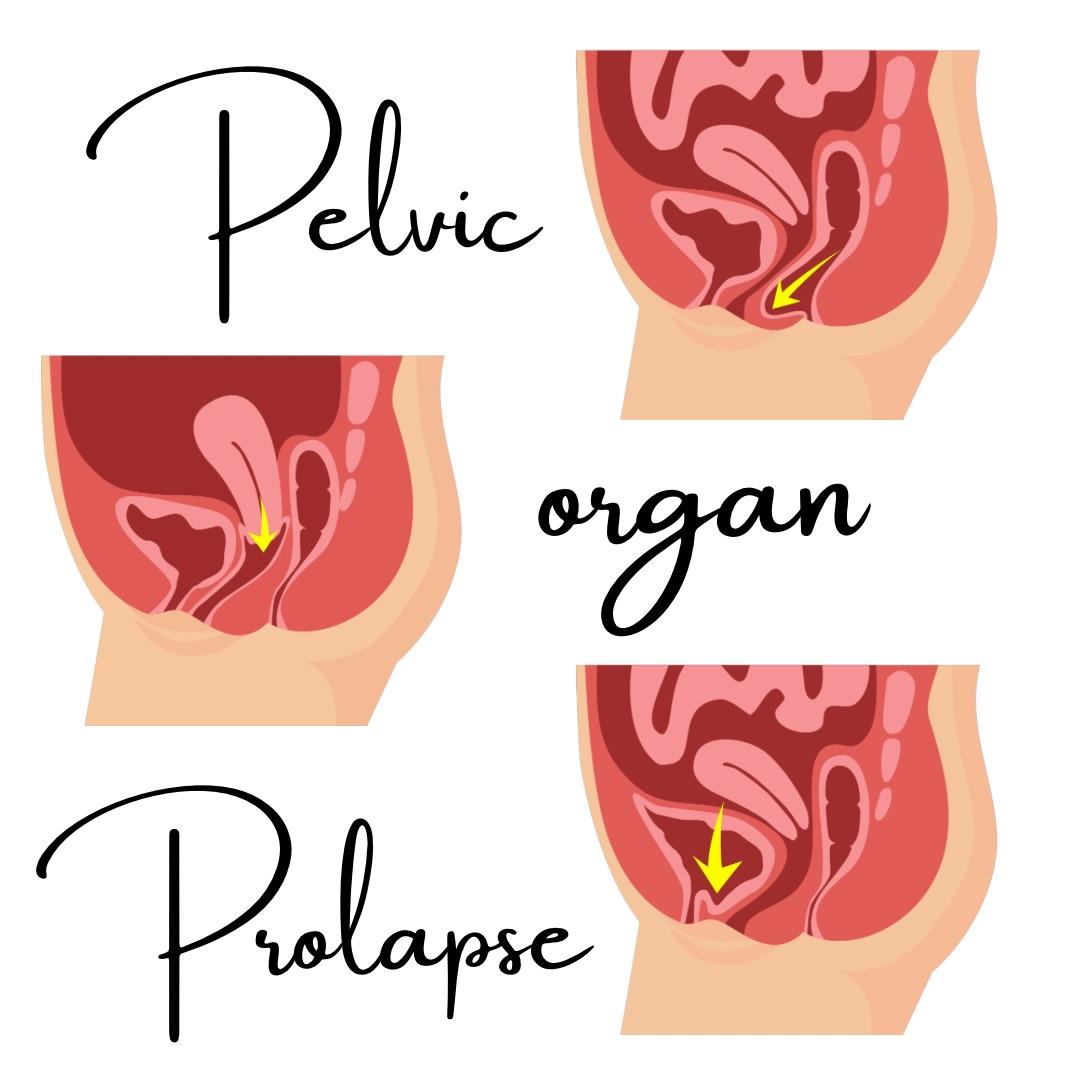
Pelvic organ prolapse (POP) occurs when the muscles and connective tissues that support the pelvic organs become weakened or overstretched. This allows one or more organs—such as the bladder, uterus, rectum, or vaginal walls—to descend downward.

Common symptoms include:

  • A feeling of heaviness, pressure, or fullness in the pelvis
  • A bulge or “falling out” sensation in the vagina
  • Urinary leakage or difficulty fully emptying the bladder
  • Bowel symptoms such as constipation or straining
  • Discomfort with exercise, standing, or intercourse

Prolapse often develops after pregnancy and childbirth, but it can also be related to chronic straining, heavy lifting, hormonal changes, connective tissue differences, or aging.


Why “Just Doing Kegels” Isn’t Enough

Many women are told to do Kegels as the primary solution for prolapse. While pelvic floor strength can matter, prolapse is rarely caused by weakness alone.

In reality, prolapse is influenced by:

  • Poor coordination of the pelvic floor muscles
  • Excessive tension or overactivity in some muscles
  • Inadequate support from surrounding muscles like the core, hips, and diaphragm
  • Faulty pressure management during daily activities (lifting, coughing, exercising)

Pelvic floor physical therapy addresses all of these factors—not just muscle squeezing.


How Pelvic Floor Physical Therapy Treats Prolapse

Pelvic floor physical therapy takes a whole-body, individualized approach to restoring support and function. Here’s how it works:

1. Restoring Proper Pelvic Floor Function

A pelvic floor physical therapist evaluates how your pelvic floor muscles are working—not just how strong they are. Treatment may involve:

  • Improving muscle coordination and timing
  • Teaching relaxation for overactive or tight muscles
  • Gradually building strength where appropriate

A well-functioning pelvic floor supports the organs dynamically, not just at rest.

2. Improving Core and Postural Support

The pelvic floor doesn’t work alone. Your therapist will address the deep core muscles, posture, and breathing patterns that help manage pressure inside the abdomen. This reduces downward strain on the pelvic organs during everyday activities.

3. Pressure Management and Movement Training

Many prolapse symptoms worsen with lifting, exercise, or prolonged standing. Pelvic floor physical therapy teaches you how to:

  • Lift safely without bearing down
  • Exercise without worsening prolapse
  • Cough, sneeze, and strain without excessive pressure

These strategies are crucial for symptom relief and long-term success.

4. Addressing Bowel and Bladder Habits

Chronic straining with bowel movements and dysfunctional bladder habits can significantly worsen prolapse. Your therapist will help optimize:

  • Toileting posture and techniques
  • Bowel regularity
  • Bladder function and urgency control

5. Preventing Progression and Avoiding Surgery

Research shows that pelvic floor physical therapy can reduce prolapse symptoms, improve quality of life, and in many cases prevent prolapse from progressing to the point of needing surgery. For women with mild to moderate prolapse, PFPT is often recommended as a first-line treatment.


What Results Can You Expect?

While pelvic floor physical therapy doesn’t always “reverse” prolapse anatomically, it often:

  • Reduces or eliminates pressure and bulging symptoms
  • Improves bladder and bowel control
  • Restores confidence in movement and exercise
  • Helps women return to daily activities and fitness safely

Most importantly, women learn how to manage prolapse long-term—without fear.

You Don’t Have to Live With Prolapse Symptoms

Pelvic organ prolapse is common, but suffering in silence is not normal—and surgery is not your only option. Pelvic floor physical therapy empowers women with education, targeted treatment, and practical tools to regain control of their bodies and lives.
If you’re experiencing prolapse symptoms, working with a pelvic floor physical therapist could be the most important step toward lasting relief and confidence.

SEE IF I HAVE PROLAPSE

January 2026

Diastasis Recti: What It Is and How Pelvic Floor Physical Therapy Helps Women Get Stronger Postpartum

Pregnancy and childbirth are incredible feats—but they also place tremendous demands on the body. Many women notice changes after having a baby, especially in their core. If you’ve experienced a lingering “pooch,” weakness in your abs, back pain, or difficulty returning to exercise, you may be dealing with diastasis recti.

The good news? With the right approach, your body can regain strength, function, and confidence. Pelvic floor physical therapy plays a key role in safe and effective postpartum recovery.

What Is Diastasis Recti?

Diastasis recti is a separation of the rectus abdominis muscles—the two vertical muscles that run down the front of your abdomen. During pregnancy, the growing uterus and hormonal changes cause the connective tissue (the linea alba) between these muscles to stretch and thin to make room for the baby.

This separation is common and normal during pregnancy. However, when the muscles don’t regain proper tension and coordination after birth, diastasis recti can persist postpartum.

Common Signs and Symptoms

Diastasis recti looks different for every woman, but common symptoms include:

  • A bulge or doming along the midline of the abdomen
  • A “soft” or weak feeling in the core
  • Lower back, hip, or pelvic pain
  • Poor posture or instability
  • Difficulty engaging core muscles during exercise
  • Leaking urine or feelings of pelvic heaviness (often related to pelvic floor dysfunction)

Importantly, diastasis recti isn’t just a cosmetic issue—it’s a functional core issue that can affect how your entire body moves.


Why Traditional “Ab Work” Can Make It Worse

Many women are told to “do more crunches” or “strengthen your abs” after pregnancy. Unfortunately, traditional abdominal exercises—like sit-ups, planks, or aggressive core workouts—can actually increase pressure on the abdominal wall and make diastasis recti worse if done too soon or incorrectly.

True healing requires restoring coordination between the core, pelvic floor, breathing, and posture, not just strengthening muscles in isolation.


How Pelvic Floor Physical Therapy Helps

Pelvic floor physical therapy is one of the most effective, evidence-based treatments for diastasis recti. A pelvic floor physical therapist looks at your body as a whole and creates a personalized recovery plan.

Here’s how it helps:

1. Proper Assessment

A pelvic floor PT evaluates the depth, width, and function of the abdominal separation—not just how it looks. They also assess breathing patterns, pelvic floor strength, posture, and movement habits.

2. Re-training the Core System

Your core includes more than your abs—it’s a coordinated system involving:

  • Deep abdominal muscles (transverse abdominis)
  • Pelvic floor
  • Diaphragm
  • Back muscles

Pelvic floor physical therapy focuses on teaching these muscles to work together again, starting with breathing and gentle activation.

3. Safe, Progressive Strengthening

Instead of “no exercise” or “do everything,” PT provides safe, progressive exercises that support healing of the connective tissue while building real strength. Movements are tailored to your body and your goals—whether that’s daily activities, lifting your baby, or returning to fitness.

4. Reducing Symptoms and Preventing Injury

By restoring core stability, pelvic floor PT can help reduce:

  • Back and pelvic pain
  • Urinary leakage
  • Feelings of heaviness or pressure
  • Risk of future injury when exercising

Getting Stronger and Fitter Postpartum—Safely

Healing diastasis recti doesn’t mean avoiding fitness forever. In fact, the goal of pelvic floor physical therapy is to help you return to the activities you love—stronger, more confident, and more connected to your body.

Every postpartum journey is different. Whether you’re six weeks postpartum or several years beyond childbirth, it’s never “too late” to improve core function and feel better in your body.


You Deserve Support in Your Recovery

Your postpartum body isn’t broken—it’s adapting, healing, and capable of incredible strength. Pelvic floor physical therapy provides the guidance and support needed to rebuild your core safely and effectively, helping you move beyond survival mode and into feeling strong, fit, and empowered.

If you suspect diastasis recti or are struggling to regain strength after pregnancy, working with a pelvic floor physical therapist can be a game-changer—for your body, your confidence, and your long-term health.

SEE IF I HAVE DIASTASIS

March 2025

Sex and Pelvic Floor Health

Sex and Pelvic Floor Health – What You Need to Know

Your pelvic floor muscles do more than support your bladder, bowels, and core—they also play a critical role in sexual function. These muscles, which run from the pubic bone to the tailbone, help control blood flow, vaginal tone, and sensation. When functioning properly, they contribute to comfortable, pleasurable intimacy. However, when there is dysfunction—whether from weakness, tightness, or trauma—issues like pain with intercourse (dyspareunia), reduced sensation, and even difficulty achieving orgasm can arise.

An overly tight pelvic floor can lead to painful penetration, a burning sensation, or a feeling of restriction. This can occur due to stress, chronic muscle tension, trauma, or even overuse of Kegel exercises. On the other hand, a weakened pelvic floor may result in decreased vaginal tone, less sensation, and even urinary leakage during sex. Factors like pregnancy, childbirth, menopause, and pelvic surgeries can all impact the function of these muscles.

Pelvic floor physical therapy can help by identifying and addressing imbalances. If the muscles are too tight, we use techniques such as myofascial release, breathing exercises, and guided relaxation to improve tissue flexibility and reduce pain. If the muscles are weak, we focus on functional strengthening to improve support and enhance sensation. Additionally, pelvic floor therapy can improve circulation and tissue hydration, both of which are essential for healthy sexual function. If you’re experiencing discomfort or changes in your intimate health, know that solutions exist—we’re here to help!

March brings with it the promise of warmer weather, positive energy and hopefully some good luck!

This spring, let’s celebrate the new season with taking care of yourself! At Revive Rehab, we believe that prioritizing your health and wellness is the best way to do just that. Whether you’ve successfully completed your plan of care and are ready for a refresher visit, would like to extend your visits, are looking to get started or simply just want a check in to see how you are progressing, we are here for you!

If you’re still on your journey toward recovery and confidence, know that every step you take is a reason to be proud. As a valued client, you have an opportunity to take advantage of our march special offers! Let’s make this spring season all about you and your well-being!

March Special Package Deals

🍀4 Discounted Follow up visits: $650 (save $90)
🍀8 Discounted Follow up visits $ 1250 (save $230)

💚Bonus: Lucky Leprechaun Credit Promos💚
🍀Buy $100 credit, get $25
🍀Buy $250 credit, get $100

(offer good with purchase 3/11/25-3/31/25 only, but can be used at anytime)

📞 Call us today at(843) 881-1147 or email info@reviverehabpt.com, to snag your deal before it’s gone!


Tailbone Pain (Coccydynia) – What You Need to Know

Tailbone pain is a common concern that many women face, and we understand how debilitating it can be. At Revive Rehab, we empathize with your struggles and are here to provide support. Tailbone pain, also known as coccydynia, is a common yet often overlooked issue that can significantly impact a woman's quality of life. This discomfort, which can arise from various causes such as prolonged sitting, injury (direct fall), or childbirth may lead to challenges in daily activities and overall well-being. Symptoms of coccydynia often include: pain localized to the tailbone or low back, pain with sitting especially on hard surfaces, pain worsening from sitting to standing, pain with activities such as driving, difficulty with bowel movements or pain with sexual intercourse. Pelvic floor physical therapy specializes in the muscles ligaments and connective tissues in the pelvic region aiming to improve the function and coordination of these structures to alleviate pain and restore normal movement patterns. This treatment is always individualized however typically involves the following:

  1. Muscle relaxation: as tailbone pain is often linked to significantly tight pelvic floor muscles. This is often accomplished with specific manual therapy techniques to the pelvic floor muscles and tailbone itself
  2. Strengthening and stabilization: specific exercises to target the muscles that provide support to the pelvis: the glutes, core and hips to reduce strain on the coccyx itself
  3. Posture and alignment: improving sitting and standing posture to reduce strain on the tailbone and promote proper alignment of the spine
  4. Education: our patients are always educated on proper lifestyle modifications and body mechanics for long last results

At Revive Rehab, our dedicated team understands the intricacies of tailbone pain and is committed to addressing it through a holistic approach that considers both physical and emotional aspects of health. We believe that understanding the root causes of your pain is the first step towards effective treatment, and we are here to empower you with knowledge and personalized care tailored to your unique needs. Our compassionate approach to women's health challenges ensures that you receive the support and guidance necessary to reclaim your comfort and confidence. We invite you to reach out and learn more about how we can assist you in navigating your journey towards relief and improved quality of life.

February 2025

Sex and Pelvic Floor Health – What You Need to Know

Your pelvic floor muscles do more than support your bladder, bowels, and core—they also play a critical role in sexual function. These muscles, which run from the pubic bone to the tailbone, help control blood flow, vaginal tone, and sensation. When functioning properly, they contribute to comfortable, pleasurable intimacy. However, when there is dysfunction—whether from weakness, tightness, or trauma—issues like pain with intercourse (dyspareunia), reduced sensation, and even difficulty achieving orgasm can arise.

An overly tight pelvic floor can lead to painful penetration, a burning sensation, or a feeling of restriction. This can occur due to stress, chronic muscle tension, trauma, or even overuse of Kegel exercises. On the other hand, a weakened pelvic floor may result in decreased vaginal tone, less sensation, and even urinary leakage during sex. Factors like pregnancy, childbirth, menopause, and pelvic surgeries can all impact the function of these muscles.

Pelvic floor physical therapy can help by identifying and addressing imbalances. If the muscles are too tight, we use techniques such as myofascial release, breathing exercises, and guided relaxation to improve tissue flexibility and reduce pain. If the muscles are weak, we focus on functional strengthening to improve support and enhance sensation. Additionally, pelvic floor therapy can improve circulation and tissue hydration, both of which are essential for healthy sexual function. If you’re experiencing discomfort or changes in your intimate health, know that solutions exist—we’re here to help!

January 2025

The Importance of Pelvic Floor Physical Therapy After Childbirth

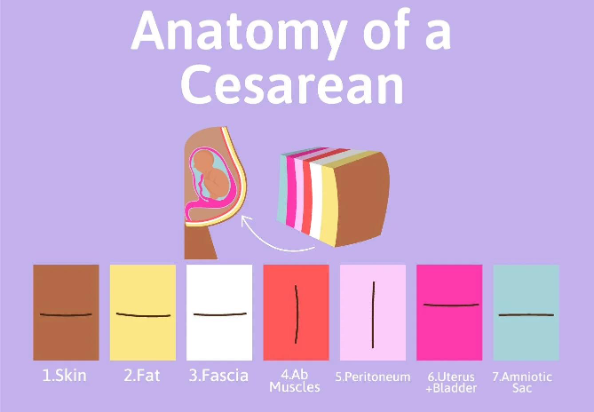
The postpartum period is a time of incredible transformation, not just for welcoming your new baby but for your body’s recovery as well. Pregnancy and childbirth—whether vaginal or via C-section—place significant strain on the pelvic floor, abdominal muscles, and surrounding structures. These muscles support essential functions like bladder control, organ support, and core stability, and they may become weakened, stretched, or injured during delivery.

Common postpartum challenges include urinary leakage, painful intercourse, pelvic pressure, and abdominal separation (diastasis recti). Even mothers who feel “fine” after delivery can benefit from pelvic floor therapy, as subtle dysfunctions can develop into more significant issues over time, such as prolapse or chronic pelvic pain.

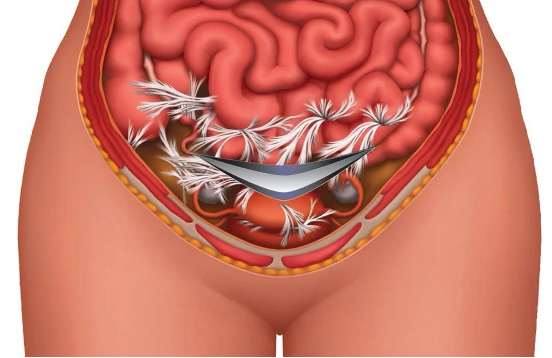
Pelvic floor therapy offers a holistic approach to postpartum recovery. Our skilled therapists assess your muscle function, address scar tissue from C-sections or episiotomies, and create tailored programs to restore strength, mobility, and coordination. By prioritizing early intervention, we can help you rebuild your foundation, improve your quality of life, and prevent future complications.

Remember, taking care of your health isn’t selfish—it’s an essential part of caring for your family. Let us partner with you on this journey to recovery and wellness.

Did You Know?

It is a well-established practice in healthcare to refer individuals to physical or occupational therapy following various injuries or post-operative conditions, with specific rehabilitation protocols tailored to each procedure or injury. Here are some of the most common rehab types and their most common frequencies:

Cardiac Rehab: 2-3x/week for 12 weeks
Post Total Knee Joint Replacement: 3x/week for 12 weeks
Post Total Hip Joint Replacement: 2x/week for 6-8 weeks
General Knee Scope Rehab: 2x/week for 6-8 weeks
Post Rotator Cuff Repair Rehab: 2-3x/week for 4-6 months

In light of this, it is imperative that we advocate for pelvic floor therapy to be recognized as a standard component of care for women experiencing related health issues. At Revive Rehab, we encourage individuals to take an active role in their health, whether for themselves or for loved ones, by reaching out to discuss any concerns regarding pelvic floor symptoms. If surgery has been presented as the sole option for relief, we urge you to explore pelvic floor therapy as a viable and effective alternative before resorting to more invasive measures. Your health matters, and we are here to provide support and guidance on this important aspect of women's health.

December 2024

The holidays are upon us! While it’s the season for celebration, the extra food, drinks, and stress can leave you feeling a little off. But don’t worry—Revive Rehab has you covered with tips. We are also extending our BLACK FRIDAY special until December 31st to help you feel your best.

December Special - Holiday Stress Relief Package*

This December, we’re offering a Holiday Stress Relief Package designed to melt away the tension:

  • 4 customized visits to address your pelvic health needs
  • A FREE pelvic wand or tissue release ball to help with home self-care
  • Dry needling and cupping as needed for extra relief
  • Stay ahead of the holiday madness and book your package now!

Are you a current client and know that you want more sessions in the new year? Take advantage of

$100 OFF ANY PACKAGE*

*Packages honored for future use as long as purchase is made by December 31, 2024. Reach out to our office or message in your patient portal to purchase.


Holiday Tip: Managing Constipation & Bloat

It’s easy to feel bloated and sluggish with all the festive treats around. But constipation can impact your pelvic health more than you think! Here’s how you can manage it:

  1. Stay Hydrated: Aim for at least 8 glasses of water a day—especially if you’re indulging in holiday cocktails or rich meals.
  2. Incorporate Fiber-Rich Foods: Think leafy greens, nuts, avocado, fruits (with skin) and whole grains to keep things moving.
  3. Try This Simple Drink:

Holiday Digestive Tonic

  • 1 cup sparkling water
  • 1/4 cup coconut water or orange juice (optional)
  • 1 tablespoon apple cider vinegar
  • A dash of cinnamon and ginger
  • A squeeze of lemon
  • Sip this before a big meal to help improve digestion and reduce bloating!

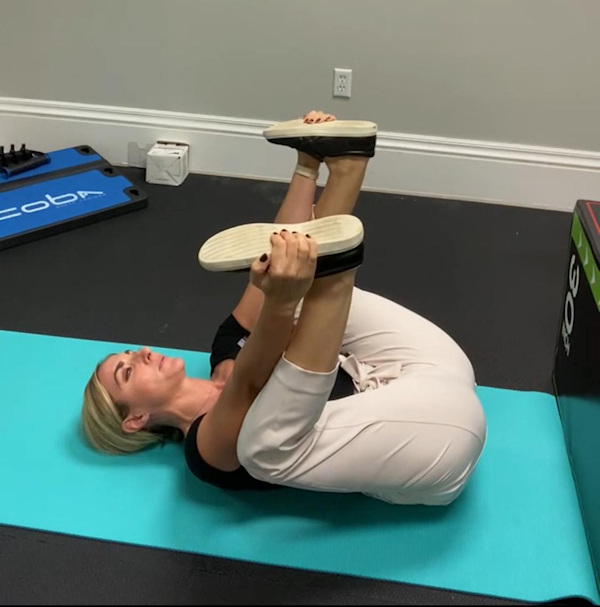
Exercise for December: The Happy Baby Pose
Happy Baby Pose

  • Lie on your back and bring your knees toward your chest.
  • Grab the outside of your feet with your hands, allowing your knees to open wide. If you can't reach your feet, keep legs wide and grab behind knees.
  • Hold for 30 seconds, breathing deeply, and let the tension melt away.
  • Repeat 2-3 times.

HOLIDAY HOURS:

December 23rd: limited hours
December 24th-December 27: CLOSED
December 30th-January 3rd: limited hours with Dr. Jenn | Dr. Allie Out of Office

January

Happy New Year! We hope everyone had a safe and happy holiday season! We’re kicking off 2025 with renewed energy and focus on helping you achieve your health and wellness goals.

News & Updates

With winter storms possible in our area over the next few days, we want to ensure the safety of all our clients and staff. If inclement weather arises, we’ll reach out to confirm any schedule adjustments or rescheduling needs. Please ensure your contact information is up to date so we can stay connected.

The Importance of Pelvic Floor Physical Therapy After Childbirth

The postpartum period is a time of incredible transformation, not just for welcoming your new baby but for your body’s recovery as well. Pregnancy and childbirth—whether vaginal or via C-section—place significant strain on the pelvic floor, abdominal muscles, and surrounding structures. These muscles support essential functions like bladder control, organ support, and core stability, and they may become weakened, stretched, or injured during delivery.

Common postpartum challenges include urinary leakage, painful intercourse, pelvic pressure, and abdominal separation (diastasis recti). Even mothers who feel “fine” after delivery can benefit from pelvic floor therapy, as subtle dysfunctions can develop into more significant issues over time, such as prolapse or chronic pelvic pain.

Pelvic floor therapy offers a holistic approach to postpartum recovery. Our skilled therapists assess your muscle function, address scar tissue from C-sections or episiotomies, and create tailored programs to restore strength, mobility, and coordination. By prioritizing early intervention, we can help you rebuild your foundation, improve your quality of life, and prevent future complications.

Remember, taking care of your health isn’t selfish—it’s an essential part of caring for your family. Let us partner with you on this journey to recovery and wellness.


Did You Know?

It is a well-established practice in healthcare to refer individuals to physical or occupational therapy following various injuries or post-operative conditions, with specific rehabilitation protocols tailored to each procedure or injury. Here are some of the most common rehab types and their most common frequencies:

Cardiac Rehab: 2-3x/week for 12 weeks
Post Total Knee Joint Replacement: 3x/week for 12 weeks
Post Total Hip Joint Replacement: 2x/week for 6-8 weeks
General Knee Scope Rehab: 2x/week for 6-8 weeks
Post Rotator Cuff Repair Rehab: 2-3x/week for 4-6 months

In light of this, it is imperative that we advocate for pelvic floor therapy to be recognized as a standard component of care for women experiencing related health issues. At Revive Rehab, we encourage individuals to take an active role in their health, whether for themselves or for loved ones, by reaching out to discuss any concerns regarding pelvic floor symptoms. If surgery has been presented as the sole option for relief, we urge you to explore pelvic floor therapy as a viable and effective alternative before resorting to more invasive measures. Your health matters, and we are here to provide support and guidance on this important aspect of women's health.

November 2024

As we step into November, let's pause to give thanks for the gift of good health. Whether you’re taking steps to heal your body or simply maintaining your pelvic floor wellness, your health journey deserves celebration. At Revive Rehab, we’re here to support you every step of the way!

November Special - Gratitude for Health

This month, we're launching our Gratitude for Health referral special. It's simple:

  • Refer a friend or family member, and when they become a patient, you'll receive a $35 credit!
  • Refer two friends, and we'll bump that credit up to $75.
  • Refer three or more friends or family members, and you’ll receive $125 in credits!

That’s right, your gratitude can give you (and your loved ones) the gift of better health.

(just have them mention your name, or you can track your referrals here)


Pelvic Organ Prolapse (POP) Awareness

Pelvic Organ Prolapse (POP) Awareness

Did you know that 1 in 3 women will experience Pelvic Organ Prolapse (POP) in their lifetime? It’s more common than you might think, and while it can feel intimidating, the right care can make a huge difference. POP happens when one or more of the pelvic organs (the bladder, uterus, and rectum) drop due to weakened muscles and tissues, falling into the vaginal canal.

There are many symptoms associated with POP, including: painful intercourse, frequent urination, pelvic pain, pressure, heaviness, feeling of something low in the vagina, low back/hip/tailbone pain, and more.

Pelvic organ prolapse (POP) is a condition that affects many women and can arise from various factors, including pregnancy and childbirth, a history of trauma, a genetic predisposition to more elastic connective tissue, and inadequate pressure management in the abdominal region. POP is classified into different grades, ranging from mild to severe, which can lead to significant concerns among those affected, particularly regarding the need for surgical intervention. It's important to emphasize that while each individual's situation is unique, surgery is not always the primary or sole solution for managing POP. Many women successfully live their lives while effectively managing their symptoms, and some even experience a reduction in the severity of their prolapse through non-surgical approaches. For those who may ultimately require surgery, engaging in personalized pelvic floor therapy prior to the procedure can significantly enhance preparation and recovery, especially in addressing underlying pressure management issues that could otherwise lead to persistent symptoms post-surgery.

Here’s a quick exercise to help improve your pelvic floor function to reduce POP symptoms:

Squat with Hip Hinge

  1. Start Position: Stand with your feet shoulder-width apart, toes slightly turned out, and arms at your sides.
  2. Squat: Begin by hinging at your hips (like you're about to sit back in a chair), keeping your back straight, ribs down, and knees slightly bent, feeling the glutes stretch.
  3. Inhale on the Way Down: As you lower into a squat position, take a deep inhale. Imagine your breath expanding and opening your ribcage, allowing your pelvic floor to naturally relax and lengthen.
  4. Exhale and Engage on the Way Up: As you exhale, press through your heels to stand up, keeping your toes on the ground - this will help fire up those glutes! Focus on gently engaging your pelvic floor (like you're lightly lifting it) and your core as you rise.
  5. Repeat: Perform 10-15 repetitions, ensuring that each time you exhale, you're coordinating it with the gentle engagement of your pelvic floor on the upward movement.

Why It Works: This exercise trains you to avoid unnecessary downward pressure on the pelvic floor while lifting, reducing the risk of worsening Pelvic Organ Prolapse. Mindful breathing paired with gentle engagement helps support your pelvic organs and strengthens key muscles.

Want More Info?

If you suspect you have POP or want a tailored plan, book a session with us, and we’ll guide you through treatment options.

October 2024

Celebrating Two Years of Revive Rehab!

We’re excited to share that Revive Rehab has just celebrated its two-year anniversary! In this time, we’ve had the honor of helping over 300 women in the Lowcountry improve their health and function, and we couldn’t have done it without your support.

Today, we’ll be sharing some personal news from our team and dive into an important topic: the pelvic floor. Understanding its role in your overall health is key, and we’re here to provide insights and tips for better pelvic floor wellness. Read on to learn more!


Personal Update: Welcome, Baby Girl! 💖

We’re so excited to share that our own Dr. Jenn recently welcomed her third child—a beautiful baby girl! Both mom and baby are doing well. Dr. Jenn will be returning part-time starting October 14th, ready to continue supporting our community with her expertise and compassion.

Welcome, Baby Girl

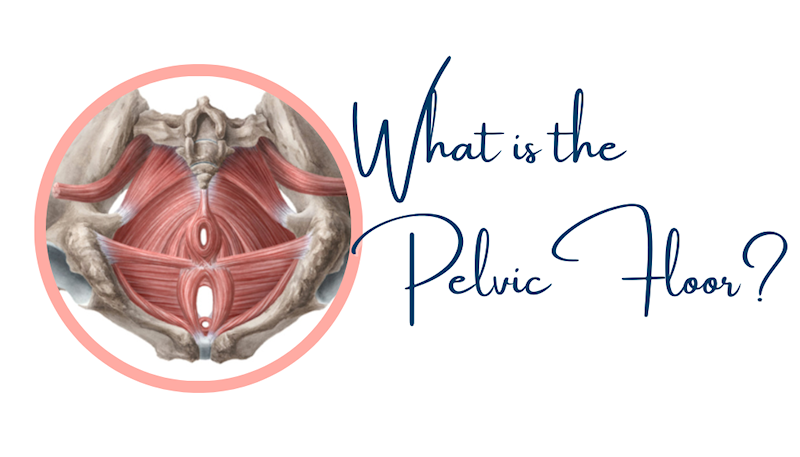
What Is the Pelvic Floor?

What Is the Pelvic Floor?

Whether you've heard this from us before, or this is new information to you, we are going to start off with a recap and some education: what exactly is the pelvic floor? Simply put, it’s a group of muscles and connective tissues that support your bladder, bowel, and reproductive organs, as well as your pelvis and spine. When these muscles are functioning optimally, they contribute to your overall health and well-being.

The pelvic floor muscles can help you with what we call the 5 S's:

  • Support
  • Sphincter
  • Sexual
  • Stability
  • Sump Pump
  1. The pelvic floor offers support to hold up the organs of the pelvic floor: your bladder (urine), rectum (bowels/stool), and reproductive organs. Without this support, you may be at risk for leakage of urine or stool, and a condition called pelvic organ prolapse, also just called prolapse or POP.
  2. Several of the muscles of the pelvic floor are called sphincteric muscles, and act to relax to allow for urine or stool to pass, and contract to a resting state to hold urine and stool in until you are ready to go. Problems with these muscles can also lead to leaks or prolapse - but not just from these muscles being too "loose". Tension in these muscles can also cause a heap of problems.
  3. Sexual function and health can be attributed to not only hormonal health, but also to our pelvic floor. The big "O" is a series of muscle contraction and relaxation, for example. Having muscles that are either too tense, have trigger points, or cannot contract can prevent optimal sexual function.
  4. Stabilization of the hips, pelvis and spine not only come from the large muscles surrounding these joints, but the pelvic floor muscles have numerous connections to these areas. If you have unresolved pain in any of these regions, oftentimes there is a missing piece coming from your pelvic floor.
  5. Did you know your pelvic floor muscles can help with circulation? Just like your lower leg muscles help return blood to your heart, so can the pelvic floor muscles. There are some cases where if these muscles aren't functioning well, pelvic congestion and blood flow impairments can lead to pain, swelling, and affect all the other above functions.

Pelvic floor PT can help address a variety of issues, from incontinence and pelvic pain to pregnancy-related concerns and post-surgical recovery. Our goal is to empower you with knowledge and tools that enhance your quality of life.

Take-Home Tip for Pelvic Floor Health:

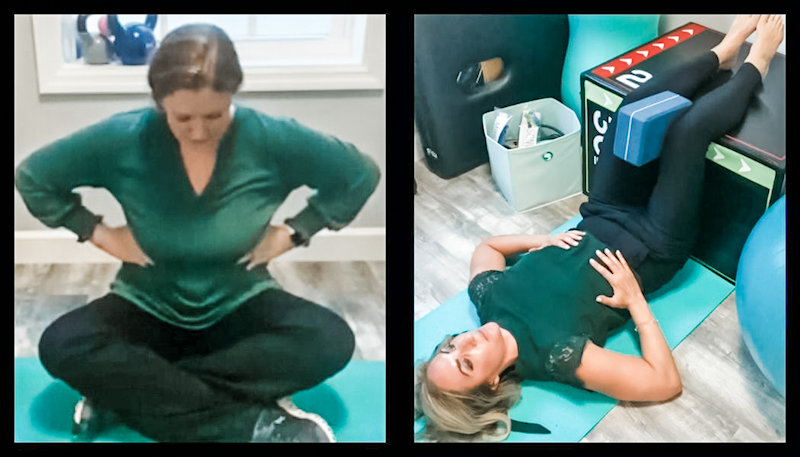
Breathe Deeply

Breathe Deeply

One of the simplest, yet most effective ways to support your pelvic floor, is through mindful breathing. Practicing deep, diaphragmatic breathing can help relax your pelvic floor muscles and improve their function.

Try taking a few moments each day to focus on your breath:

  • Inhale deeply through your nose, allowing your rib cage to expand and open 360 degrees (like an umbrella opening).
  • Exhale fully through your mouth, allowing your ribs to close back together, and letting your belly button come in towards the spine and gently rise. Try making a gentle, audible sound like a "hummm", "ahhh", "haaa", or "tssss".

This can not only work your true breathing muscles, but can create a sense of calm and connection with your body.


We are deeply humbled and honored to announce that we have been awarded the Best of South Carolina 2024 for Physical Therapy. This recognition is a testament to the unwavering support of our ever-growing community. Thanks to you, our dedicated clients and supporters, our efforts and passion have been recognized. We cannot wait to continue serving our community and working towards our goal of making this type of care standard, bringing meaningful impact to our patients' lives. We are truly grateful for your trust and commitment.


The Best of South Carolina awards showcase businesses working hard to take care of their customers and community. Revive Rehab is excited to have been nominated! Vote at guidetosouthcarolina.com or click the image above to cast your vote. Thank you for all of your love and support!
#BESTofSC